What is a 1 Pole Circuit Breaker and How Does it Work?
When it comes to electrical safety, a 1 Pole Circuit Breaker is essential. This device plays a crucial role in protecting circuits from overloads and faults. Renowned electrical engineer, John Smith, once stated, "A well-designed circuit breaker can save lives and property." This highlights the importance of understanding how a 1 Pole Circuit Breaker works.
These breakers are designed to interrupt the flow of electricity automatically. They isolate the problem, preventing potential fires or damage. For many, the technical aspects of a 1 Pole Circuit Breaker might seem daunting. However, knowing its functionality is vital for safety in any electrical system.
There are limitations to consider too. Not all applications require a single-pole breaker, which can lead to confusion in selection. Many users overlook this, potentially compromising their safety. It's crucial to reflect on your specific needs and ensure you're using the correct equipment.
Definition and Purpose of a 1 Pole Circuit Breaker
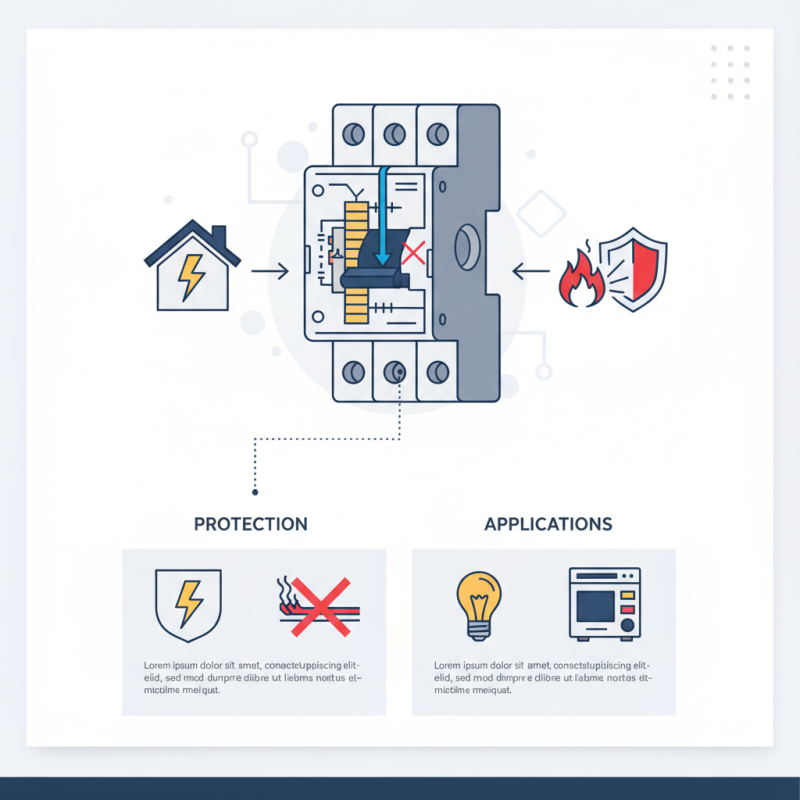
A 1 Pole Circuit Breaker is an essential component in electrical systems. It is designed to protect a single wire or circuit from overloads and short circuits. This type of breaker monitors the flow of electricity. If it detects a fault, it quickly interrupts the circuit, preventing potential damage.
The main purpose of a 1 Pole Circuit Breaker is safety. It is commonly used in residential properties. These breakers can effectively stop the flow of current in the event of an electrical issue. Many may overlook its significance. Yet, this small device plays a crucial role in protecting appliances and reducing fire risks.
In addition, understanding how it works is vital. When the current exceeds its rated limit, the breaker trips. You would need to manually reset it after. It is important for homeowners to be aware of signs of malfunction, like frequent tripping. Regular inspections can help avoid future hazards. This proactive approach ensures safety, yet it’s often neglected.
Components of a 1 Pole Circuit Breaker
A 1 pole circuit breaker is a device that protects electrical circuits from overloads and short circuits. It operates by interrupting the flow of electricity when it detects an anomaly. Understanding its components is crucial for effective use.
At the core of a 1 pole circuit breaker is the bimetallic strip. This strip bends when it heats up due to excess current. It's a simple yet effective way to provide protection. Another key component is the electromagnetic coil. This coil generates a magnetic field when current flows through it, tripping the breaker when a fault occurs. Resetting the breaker is often an afterthought, but it’s vital to ensure the system is safe.
Additionally, the housing of the breaker should not be overlooked. It's made from durable materials to withstand heat and physical damage. Often, users neglect regular inspections. Dust and wear can affect performance. Proper maintenance is essential for long-lasting function. While the function seems straightforward, understanding these components enhances safety and reliability in electrical systems.
Components of a 1 Pole Circuit Breaker
How a 1 Pole Circuit Breaker Functions
A 1 pole circuit breaker is a crucial component in electrical systems. It protects circuits by interrupting the flow of current during overloads or short circuits. This device is specifically designed for single-phase systems, making it a popular choice for residential and light commercial applications.
How does a 1 pole circuit breaker function? When current exceeds a certain threshold, the internal mechanism trips. This action cuts off electricity, preventing damage to electrical devices. According to the National Electrical Manufacturers Association (NEMA), proper sizing of circuit breakers is essential. An incorrectly rated breaker may trip intermittently, causing inconvenience.
Tips: Regular testing of your circuit breaker is vital. This ensures it trips effectively under fault conditions. Pay attention to any unusual sounds or behavior from your circuit breaker. Maintaining a clean electrical panel can enhance safety and efficiency.
The recommended current ratings for 1 pole breakers typically range from 15 to 50 amps. Using a breaker rated too high can be dangerous. It might not trip when needed, leading to fire hazards. Understanding your electrical load is important. Ensure that the total load on the circuit does not exceed the breaker's rating.
Applications and Use Cases for 1 Pole Circuit Breakers
1 Pole Circuit Breakers play a crucial role in electrical systems. They are widely used in residential and commercial settings. Their primary function is to protect circuits from overloads and short circuits. In homes, these breakers typically manage lighting and outlet circuits.
According to industry reports, about 30% of electrical fires occur due to faulty wiring or overloaded circuits. Using 1 Pole Circuit Breakers can help mitigate this risk. These breakers are rated for specific amperages, often ranging from 15 to 30 amps. Their installation is straightforward, but proper sizing is vital for safety.
Applications extend beyond just residential use. They are also common in small machinery and equipment. For instance, a workshop with various power tools can benefit from these breakers. Businesses, too, use them for lighting circuits. Despite their reliability, regular checks are necessary. Breakers can wear out, causing potential hazards. Sometimes, users overlook this maintenance. Keeping an eye on breaker functionality is essential for safety.
What is a 1 Pole Circuit Breaker and How Does it Work? - Applications and Use Cases for 1 Pole Circuit Breakers
| Parameter | Description |
| Type | Single Pole |
| Rated Voltage | 120V or 240V |
| Current Rating | 15A to 30A |
| Application Areas | Residential, Commercial |
| Key Function | Overcurrent Protection |
| Use Case Examples | Lighting Circuits, Small Appliances |
| Reset Mechanism | Manual Reset |
| Standards Compliance | UL, IEC |
Maintenance and Safety Considerations for Circuit Breakers
Proper maintenance of circuit breakers is essential for safe and reliable operation. Regular inspections can identify signs of wear or damage. Look for discoloration, corrosion, or physical deformities. If any issues arise, addressing them promptly is crucial to prevent system failures.
Circuit breakers should be tested periodically to ensure they trip at the correct settings. Many people overlook this step, thinking it's unnecessary. However, a malfunctioning breaker can lead to dangerous situations, such as electrical fires. Always keep the breaker panel clean and free from dust. A cluttered panel can hide problems and increase risks.
Consideration for safety is paramount. Always turn off power when working on a breaker. This step is often forgotten, but it’s vital for personal safety. If you're unsure about maintenance, consult a professional. Relying solely on self-inspection can be a risk. Awareness of your breaker’s condition can save lives and property.

