Industrial automation is the quiet system behind many modern factories, warehouses, and processing plants. It combines sensors, control software, industrial networks, and mechanical equipment. Together, these elements perform repeatable tasks with limited direct human intervention.
A photoelectric sensor may detect a bottle moving along a conveyor. A programmable logic controller then evaluates that signal and sends instructions. An actuator might stop the conveyor, fill the bottle, or redirect it. This feedback loop runs continuously. Small delays matter. Joseph Engelberger, widely recognized as the father of industrial robotics, once said, “I can’t define a robot, but I know one when I see one.” His observation captures a practical truth: industrial automation is easier to recognize in operation than in theory. It appears in robotic arms, automated inspection cameras, packaging lines, and autonomous material-handling vehicles.
Yet industrial automation is not magic. A poorly tuned sensor can create rejected products. A dirty camera lens can weaken inspection accuracy. A network outage can stop an entire production cell. Human judgment remains essential for system design, maintenance, safety, and improvement. That part is often underestimated. Effective automation depends on reliable data, documented procedures, trained operators, and careful risk assessment. This article will explain what industrial automation means, how its main components work together, and why real-world performance depends on more than installing machines. Factories are complex. Technology helps, but it still needs thoughtful people.
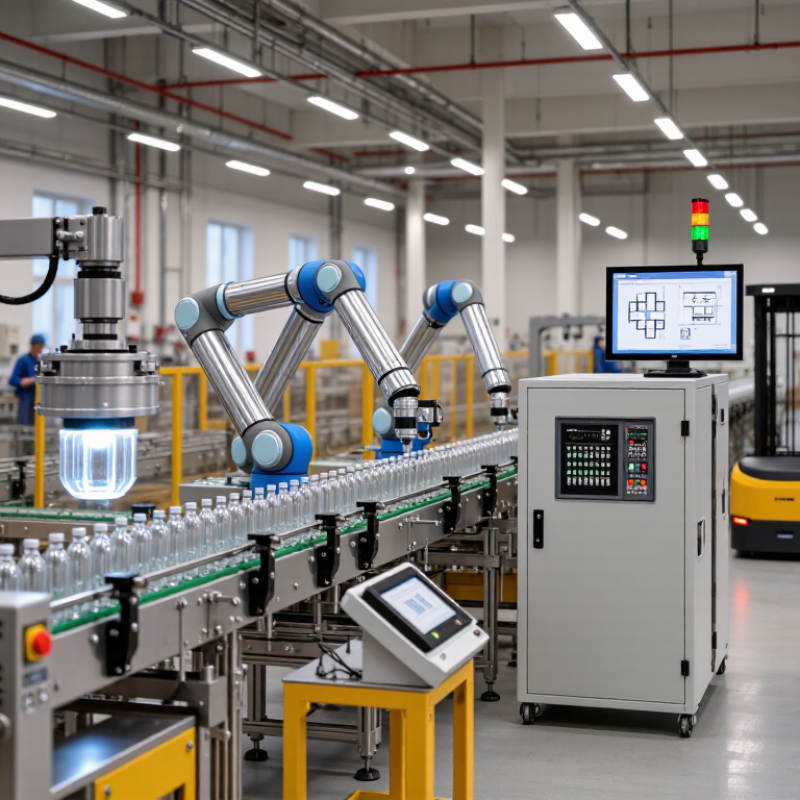
Industrial automation is the use of control systems, software, and machines to perform industrial tasks with limited manual intervention. Its scope begins with measurement. Sensors detect temperature, pressure, speed, level, or position on the production floor. Controllers interpret those signals and send commands to motors, valves, robots, or other equipment. Actuators then create physical movement. Feedback confirms whether the process behaved as expected.
The definition also includes communication networks, data collection, alarm management, and human-machine interfaces. Operators still set targets, approve changes, and respond to unusual conditions.
In a packaging line, a sensor can detect a missing container, stop the conveyor, and trigger an alert within seconds. That small action protects equipment and reduces wasted material.
Industrial automation covers individual machines, connected production cells, and entire facilities. It can support manufacturing, water treatment, energy processing, logistics, and laboratory operations.
Automation is not simply replacing people. Skilled workers design sequences, maintain sensors, verify safety functions, and investigate inconsistent data. International safety practices also require risk assessment, protective controls, and documented testing. A reliable system must remain understandable when a fault occurs. This is where many explanations become too neat. Real plants contain aging cables, dirty sensors, changing materials, and rushed maintenance. Not magic. Automation improves repeatability, but it cannot remove every judgment call. Its real scope depends on process risk, equipment condition, worker competence, and the quality of information moving through the system.
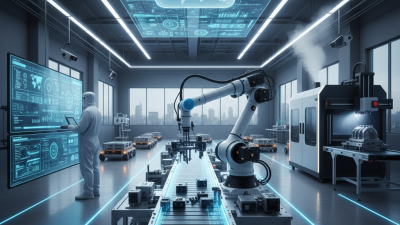
Industrial automation combines sensing, decision-making, movement, and human oversight. Its core components must work as one controlled system.
Sensors capture temperature, pressure, position, speed, and vibration from equipment. A programmable logic controller processes these signals against programmed rules. Industrial networks then move data between controllers, drives, robots, and monitoring software. Actuators convert decisions into physical action, such as opening a valve or moving a conveyor. Human-machine interfaces display alarms, trends, and production status for operators.
Safety circuits remain separate and critical. They can stop motion when a guard opens or a person enters a restricted area.
The International Federation of Robotics reported 541,302 industrial robots were installed worldwide in 2023.
That figure shows automation is no longer limited to highly specialized factories. However, installing equipment does not guarantee reliable performance. Poor sensor placement, unclear data ownership, and weak maintenance planning can quietly reduce output.
Tips: Map every signal before selecting hardware. Test failure conditions, not only normal production. Keep manual controls available for recovery. Review alarm settings with experienced operators, because excessive alerts become background noise.
A modern system also needs secure data architecture. Edge devices can filter machine data before sending useful information to higher-level software. The U.S. National Institute of Standards and Technology emphasizes cybersecurity, system integrity, and risk-based controls for industrial environments.
In practice, this means controlling access, documenting changes, and separating critical networks.
Predictive maintenance can identify unusual vibration or rising motor temperature, but its predictions are not always correct.
Engineers still need physical inspections and production context.
The difficult part is often not automation itself. It is designing dependable cooperation between machines and people.
Industrial automation works through a connected sequence of sensing, decision-making, and physical action. A machine begins by detecting conditions on the production line. Sensors measure temperature, pressure, position, speed, or material presence. These signals travel to a controller, which acts as the system’s decision center. The controller compares live readings with programmed limits and operating instructions. Small delays matter.
The controller then sends commands to motors, valves, heaters, or robotic mechanisms. For example, a sensor detects a container under a filling nozzle. The controller checks its position, opens the valve, and stops filling after reaching the target level. Feedback confirms whether the action worked. If the level is too low, the system can adjust the next cycle. If a fault appears, alarms may stop the equipment and protect workers.
Operators usually monitor this process through a human-machine interface. It displays production counts, temperatures, warnings, and maintenance information. Control software can also record trends, helping technicians identify unusual vibration or rising energy use. In real commissioning work, systems rarely perform perfectly on the first attempt. A sensor may need repositioning, or a timing value may require adjustment. Careful testing, documented changes, and regular inspection make automation more dependable. Safety circuits must remain independent enough to stop dangerous motion when normal control logic fails.
Industrial automation uses sensors, controllers, software, and machines to run production tasks with limited manual intervention. A sensor detects temperature, position, or pressure. The controller processes that signal and sends instructions to motors, valves, or robotic equipment. In practice, reliable automation depends on clean data, stable networks, and carefully maintained machinery.
The major types include fixed, programmable, and flexible automation. Fixed systems suit high-volume production, such as bottling or stamping. Programmable automation supports changing batches through software instructions. Flexible automation handles frequent product variations with minimal setup time. Industrial robots commonly perform welding, assembly, palletizing, and material handling. Vision systems inspect labels, surface defects, and component placement. Process-control systems regulate pressure, flow, and heat in continuous operations.
The scale is substantial. The International Federation of Robotics’ World Robotics 2024 report recorded 541,302 industrial robot installations worldwide in 2023. Its data also showed more than 4.2 million robots operating globally. Deloitte’s 2024 Smart Manufacturing and Operations Survey reported that 86% of surveyed manufacturers viewed smart manufacturing as important for competitiveness within three years.
Yet automation is not automatically efficient. Poor sensor calibration can create fast, repeatable errors. Human technicians still need to interpret unusual sounds, vibration, and production changes. That practical judgment is often underestimated.
Industrial automation links sensors, controllers, software, and machines into a coordinated production system. Sensors detect temperature, pressure, position, or vibration. Controllers interpret these signals and send commands to motors, valves, and robotic equipment. A conveyor may slow down when a sensor detects a crowded station. The process responds in milliseconds.
Benefits, Challenges, and Future Developments
Automation improves consistency, output, and workplace safety. It can measure every cycle, reduce repetitive handling, and identify defects before products leave the line. Production data also helps engineers locate energy waste or unstable equipment. In a practical assessment, one vibration reading can reveal a worn bearing before it causes costly downtime. Yet automation does not repair a poor process. It can repeat mistakes faster.
The challenges are substantial. Older machines may use incompatible controls, making integration expensive and slow. Employees need training, not vague assurances. Cybersecurity also matters because connected equipment can expose sensitive operational data. Maintenance teams must understand both mechanical systems and software behavior. The transition may feel uncomfortable.
Future systems will combine edge computing, digital twins, adaptive algorithms, and safer human-machine cooperation. Local processing can shorten response times when network access fails. Digital models may test a production change before engineers alter the real line. However, artificial intelligence can misread unusual conditions. Human review remains necessary, especially during equipment faults or unfamiliar production runs. Progress will be useful, but rarely effortless.
Industrial automation uses control systems, sensors, software, and robotics to perform production tasks with limited manual intervention. The chart below shows industrial robot installations in 2023 across major regions, an important indicator of automation adoption.
Key insight: Asia accounted for the largest share of industrial robot installations in 2023, followed by Europe and the Americas. Automation can improve consistency, productivity, workplace safety, and production flexibility, while challenges include high upfront costs, integration complexity, cybersecurity risks, and workforce reskilling.
Data source: International Federation of Robotics, World Robotics 2024. Values represent installed industrial robots in 2023.