How to Maintain Rotating Machines for Maximum Efficiency?
Maintaining Rotating Machines is crucial for operational efficiency. As expert engineer Dr. Samuel Carter states, "Regular upkeep ensures machines run their best." This principle is vital in industries that rely on rotating machines, such as manufacturing and power generation.
The intricate mechanisms within these machines require attention. Bearings, shafts, and rotors must be routinely inspected. Ignoring small issues can lead to bigger, costlier failures later. For instance, a minor bearing fault can escalate into a major breakdown. It’s essential to monitor vibrations and temperatures closely.
Failure to maintain this equipment can result in significant downtime. In industries where every minute counts, this loss is unacceptable. Ensuring the health of rotating machines demands a proactive approach. Regular maintenance checks and a comprehensive understanding of potential risks are essential. This commitment leads to enhanced performance and longevity for critical machinery.
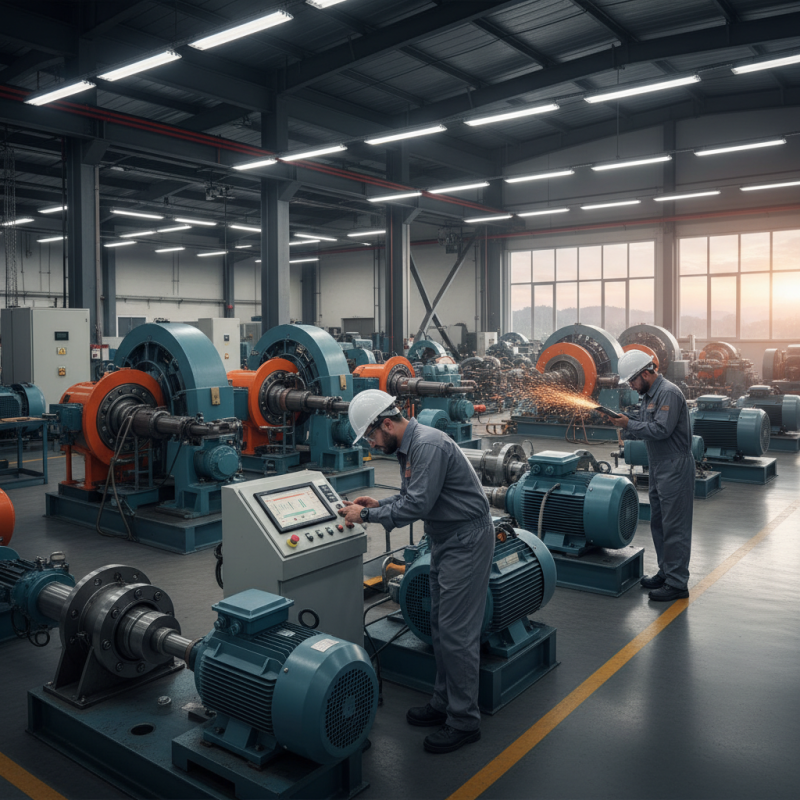
Understanding the Importance of Regular Maintenance for Rotating Machines
Regular maintenance is crucial for the efficiency of rotating machines. These machines are vital in various industries. They face wear and tear from constant operation. Without proper attention, small issues can lead to major failures. This not only disrupts production but also increases costs. A simple squeak or vibration may indicate a deeper problem.
Observing the condition of bearings is essential. They require regular lubrication. Neglect can cause overheating. This may lead to unexpected downtime. Regular inspections help identify potential failures. Using vibration analysis can monitor machine health. It can catch problems before they escalate. However, many overlook this step.
Incorporating routine maintenance checks enhances performance. It extends the lifespan of machinery. Teams should schedule these checks systematically. But even then, human error is a factor. Workers might forget or misjudge the severity of an issue. Emphasizing a culture of accountability can mitigate this risk. When everyone understands their role, the efficiency of rotating machines improves significantly.
Key Components to Inspect in Rotating Machinery Maintenance
Rotating machinery plays a crucial role in various industries. Proper maintenance of key components is vital for efficiency. Over 40% of machinery failures are attributed to lubrication issues. Regular inspection of bearings, components, and seals can mitigate this risk.
Inspect bearings frequently for signs of wear or overheating. Lubrication should follow the manufacturer’s recommendations, yet many neglect it. According to industry reports, 60% of unplanned downtime results from insufficient maintenance. The internal components often remain overlooked until it’s too late.
Seals are another critical area. They prevent leaks and protect against contaminants. Damage to seals can lead to decreased efficiency and higher costs. A 2022 report indicated that improper sealing accounts for nearly 20% of equipment failures. Regular checks and replacements are essential to maintain optimal performance. Be proactive in maintaining these components to maximize your machinery's lifespan.
How to Maintain Rotating Machines for Maximum Efficiency? - Key Components to Inspect in Rotating Machinery Maintenance
| Component | Inspection Frequency | Common Issues | Recommended Actions |
| Bearings | Monthly | Excessive wear, overheating | Lubricate regularly, replace if damaged |
| Seals | Quarterly | Leaking fluids, contaminants in machinery | Inspect for wear, replace as necessary |
| V-belts | Bi-monthly | Slipping, fraying | Tension adjustment, replace if worn |
| Motor | Annually | Overheating, noise | Clean regularly, ensure proper ventilation |
| Gearbox | Every 6 months | Oil leakage, unusual sounds | Check oil levels, replace oil regularly |
Best Practices for Lubrication and Cooling System Management
Effective lubrication is crucial for any rotating machine. Proper lubrication reduces friction and wear. It enhances performance and extends lifespan. Using the right lubricant is essential. The type must match the machinery’s needs. Each machine may require a different viscosity or additive. Regularly check lubricant levels. Over time, lubricants can degrade or become contaminated. Monitor the condition to avoid large-scale failures.
Cooling systems play a vital role as well. They help prevent overheating. An efficient cooling system can improve machine performance. Regularly inspect hoses and connections for leaks. Airflow should be unobstructed. Dirty filters or blocked vents can hinder cooling. It may seem trivial, but neglecting these details can lead to costly downtime.
Combining lubrication and cooling system maintenance creates a synergistic effect. Ignoring one aspect can compromise the other. Machinery requires attention to detail. Small issues can escalate quickly. Focus on continuous monitoring and proactive maintenance to keep machines running efficiently.
Rotating Machines Efficiency Metrics
Common Issues in Rotating Machines and Their Preventive Strategies
Rotating machines play a critical role in many industries, yet they often face common issues that can hinder performance. A significant concern is vibration. Studies show that nearly 40% of machine failure is linked to excessive vibrations. This can lead to component wear and reduced lifespan. Regular vibration analysis can help identify problems early. It’s important to monitor the frequency and amplitude of vibrations to detect imbalance or misalignment.
Another prevalent issue is lubrication. Inadequate lubrication can cause overheating and premature wear. According to industry data, proper lubrication can extend the life of a bearing by up to 30%. However, many operators overlook this aspect. It’s essential to stick to a lubrication schedule. Frequent inspections can also reveal contamination or degradation of lubricants, which can severely affect machine operation.
Heat is another enemy of rotating machines. Insufficient cooling can lead to overheating. Reports indicate that about 25% of motor failures are due to thermal stress. Regular monitoring of temperature levels is vital. Operators need to check for cooling system efficiency. This could prevent costly shutdowns. However, even with preventive measures, unexpected failures can occur, highlighting the need for ongoing training and knowledge in machine maintenance.
Establishing a Routine Maintenance Schedule for Optimal Performance
Establishing a routine maintenance schedule is crucial for maximizing the efficiency of rotating machines. According to recent studies, equipment failure can lead to unplanned downtimes, costing companies over $100,000 per hour. Regular maintenance reduces unexpected breakdowns by up to 30%. Inspections should include bearing checks, alignment assessments, and vibration analysis.
It's important to track machine performance data continuously. Implementing a predictive maintenance strategy can extend equipment life by up to 20%. However, many organizations often neglect these insights. One challenge is the lack of skilled technicians who can interpret the data effectively.
Creating a detailed maintenance plan is vital. Assign specific tasks weekly or monthly based on usage and manufacturer recommendations. Regular oil changes and filter replacements can be overlooked yet are crucial for machine longevity. Consider documenting every maintenance activity. Revisiting past records often reveals patterns that indicate when a machine might fail.

