Why Is Material Handling Key at the 139th Canton Fair?
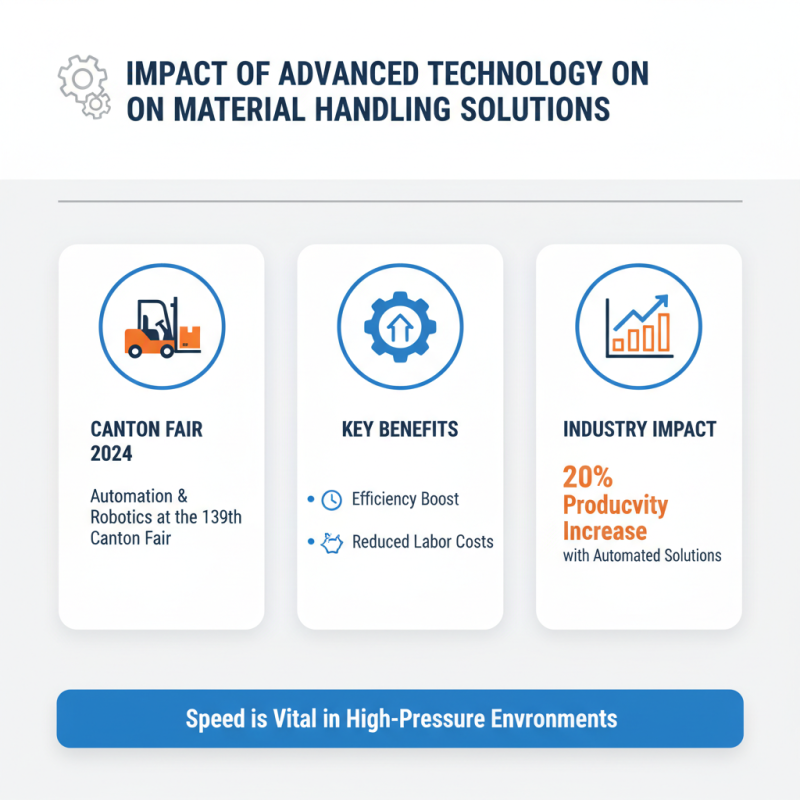
The 139th Canton Fair set to take place in 2026 is a pivotal event for international trade and material handling. With a staggering 1.55 million square meters of exhibition space, efficient material handling is crucial. According to industry reports, effective material handling systems can enhance productivity by 30-50%. This fair’s integration of AI-driven search and navigation demonstrates the evolving role of technology in logistics management.
Amid increasing global competition, businesses cannot overlook the importance of optimizing their material handling processes. Poor handling can lead to damages and delays, costing companies both time and money. The fair’s focus on advanced manufacturing and electronic appliances highlights the need for streamlined operations. Companies that fail to adapt may struggle to meet rising demands.
Navigating the vast expanse of the Canton Fair presents its own challenges. Ensuring seamless material flow is essential for exhibitors and buyers alike. Technologies that improve handling efficiency could redefine logistics models. Yet, the reliance on technology must be balanced with human oversight to avoid potential pitfalls.
Importance of Material Handling in Large-Scale Trade Events
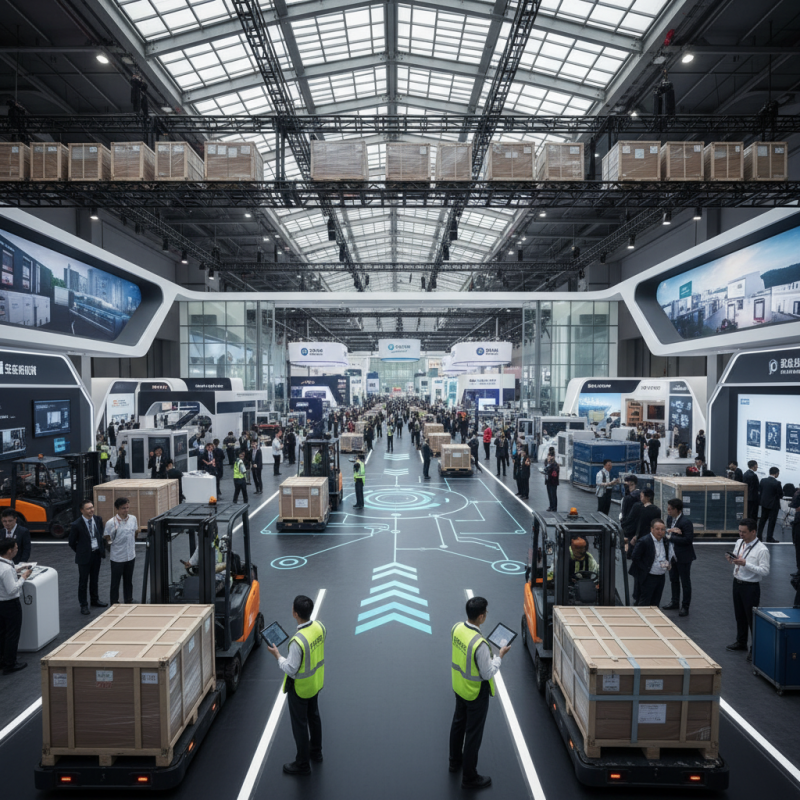
Material handling is vital during large-scale trade events like the 139th Canton Fair. Efficient movement and management of goods can make or break an exhibitor's success. This is especially true in a bustling environment, where every second counts. Attendees navigate through crowded aisles, aiming to find valuable products. Properly managed materials ensure seamless access and flow, creating a vibrant atmosphere.
Here are a few tips for effective material handling at trade shows:
- Use clear signage to guide attendees toward featured products. This minimizes confusion and maximizes impact.
- Consider the layout carefully; an organized booth attracts more visitors.
- Sometimes, improvisation becomes necessary. Be ready to adapt if a shipment arrives late or equipment fails.
Another crucial aspect is the training of staff. Ensure that everyone knows their roles. Well-prepared teams can handle unexpected challenges confidently. This can prevent chaos and miscommunication, leading to a more successful event overall. However, remember, not everything goes as planned. Reflect and learn from any surprises. Each event brings new lessons, refining material handling processes for future trade shows.
Key Statistics on Material Handling Efficiency in Supply Chains
Efficient material handling is central to the success of the 139th Canton Fair. Statistics reveal that optimized material handling can boost supply chain efficiency by up to 30%. This efficiency is crucial in a fast-paced environment like a trade fair. Reducing handling time means quicker access to products. Quicker access leads to better customer satisfaction.
In logistics, the cost of poor material handling can be staggering. A recent industry report highlighted that companies lose nearly 25% of their profits due to ineffective material handling processes. Improper handling can lead to damaged goods and increased labor costs. These losses could mitigate gains from sales at trade shows like the Canton Fair.
Its importance is clear. Nearly 70% of supply chain professionals believe that enhancing material handling processes leads to significant gains. Yet, many still overlook investment in training and technology. This oversight creates a gap in efficiency. Crafting a solid strategy around material handling can bridge this gap and enhance overall performance. Companies need to reflect on their processes and adapt to thrive in competitive environments.
Why Is Material Handling Key at the 139th Canton Fair? - Key Statistics on Material Handling Efficiency in Supply Chains
| Statistic |
Value |
Industry Average |
| Material Handling Cost as Percentage of Total Cost |
15% |
12% |
| Average Time for Order Picking |
30 minutes |
25 minutes |
| Inventory Turnover Rate |
5 times/year |
6 times/year |
| Warehouse Space Utilization |
75% |
80% |
| Material Handling Equipment Failure Rate |
8% |
5% |
Challenges Faced in Material Handling During the Canton Fair
Material handling plays a crucial role at the 139th Canton Fair. Challenges abound in organizing and managing the movement of goods. High foot traffic complicates logistics. Ensuring that products reach their assigned booths on time is vital. Delays can frustrate exhibitors and visitors alike.
Crowded aisles and limited space make movement tricky. Vendors must be nimble and prepared. Planning the layout beforehand can save time. Relying on clear signage helps everyone navigate the venue. It reduces confusion and keeps the flow constant.
**Tips:** Use color-coded labels for easy identification. Invest in portable equipment for quick setups. Assess the layout regularly to address bottlenecks. Adjust as needed during the event. Recognizing these challenges can lead to a more seamless experience for exhibitors and attendees.
Challenges Faced in Material Handling During the Canton Fair
Role of Material Handling in Enhancing Customer Experience at Trade Fairs
Material handling is crucial at trade fairs like the 139th Canton Fair. It impacts how visitors interact with exhibits. Efficient material handling ensures that products are easy to access, creating a smooth flow of foot traffic. Attendees appreciate when products are displayed attractively. When items are organized well, it enhances visibility and draws in more customers.
However, challenges in material handling can arise. Sometimes, space is limited, making it hard to store products effectively. Poor organization can lead to clutter, which may frustrate visitors. Not every exhibitor realizes the importance of effective layout. This oversight can detract from the customer experience.
Exhibitors need to reflect on their setups and make improvements.
Additionally, training staff in material handling is essential. Knowledgeable staff can better assist attendees. They can guide customers to specific products and provide valuable information. When employees understand the products and displays, it creates a welcoming atmosphere.
Investing time in staff training should not be overlooked. It directly influences customer satisfaction during the event.