Why is Soft Robotics Revolutionizing Automation and Industry?
Soft robotics is transforming the landscape of automation and industry. This innovative technology allows machines to interact safely with humans and delicate objects. The global soft robotics market is projected to reach $11 billion by 2026, according to a report by MarketsandMarkets. This growth reflects a rising demand for adaptable and efficient robotic systems across various sectors.
Dr. Cecilia Laschi, a pioneer in soft robotics, emphasizes its potential, stating, "Soft robots have the ability to work in diverse environments, enhancing productivity and safety." Such advancements are vital, especially in manufacturing, healthcare, and agriculture. Businesses are increasingly recognizing the benefits of integrating soft robotics into their operations.
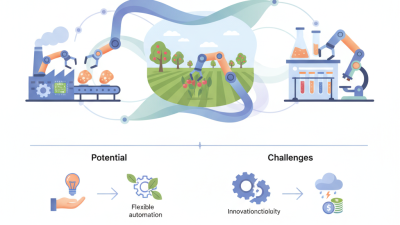
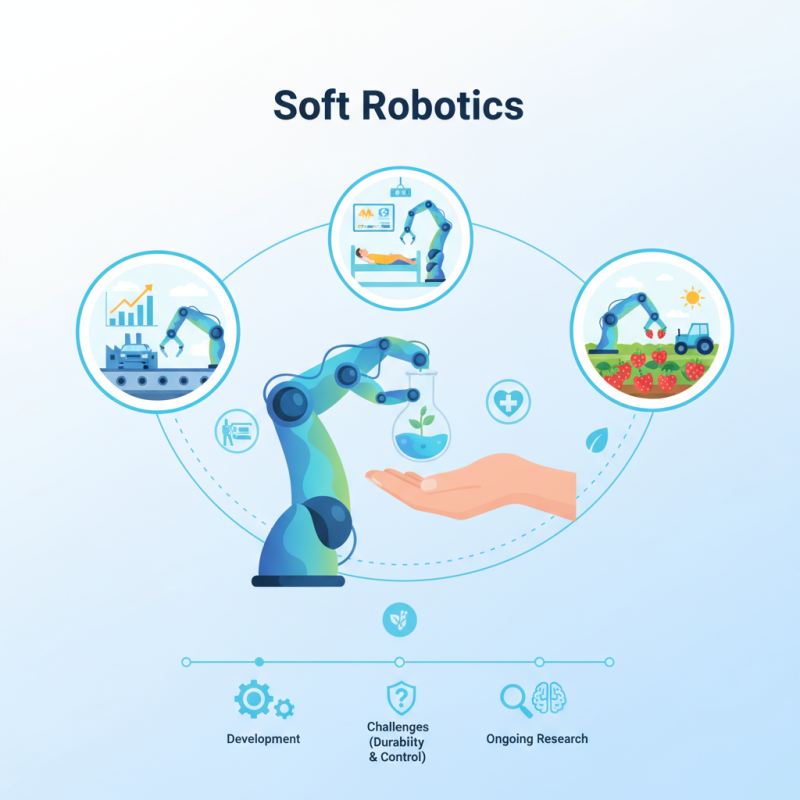
Yet, challenges remain. The technology is still developing, and there are concerns about durability and control. Soft robotics may not yet be suited for all applications, highlighting the need for ongoing research. The journey of soft robotics is just beginning, and its full impact on industry remains to be seen.
The Impact of Soft Robotics on Manufacturing Efficiency
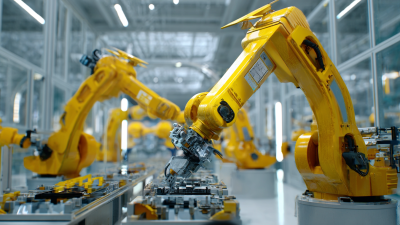
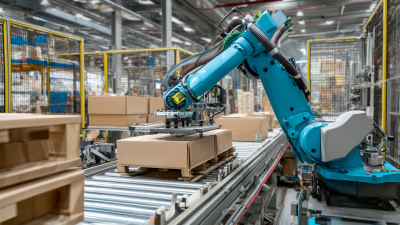
Soft robotics is reshaping manufacturing efficiency in significant ways. These advanced systems integrate soft materials to safely handle objects. Unlike traditional robots, soft robots can adapt to varying shapes and sizes. This adaptability reduces the risk of damage when handling delicate items, enhancing productivity.
The gentle touch of soft robots allows for more intricate tasks. Tasks like assembling fragile components become easier. This opens the door for more complex manufacturing processes, enabling companies to innovate. However, the implementation of soft robotics isn't without its challenges. Training staff to work alongside these machines can require time and resources. Additionally, integrating soft robots into existing systems may lead to unforeseen complications.
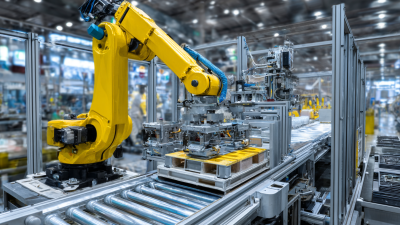
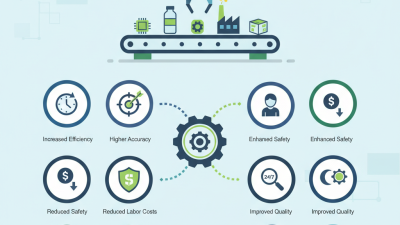
Despite the hurdles, the potential rewards are vast. Companies that adopt soft robotics often report increased output and reduced waste. This not only improves efficiency but also lowers operational costs. The impact of soft robotics is profound, driving a shift in how industries approach automation. Future advancements promise even greater efficiencies, pushing the boundaries of what's possible.
Impact of Soft Robotics on Manufacturing Efficiency
Advancements in Soft Robotics Technologies Driving Industry Innovation
The field of soft robotics is rapidly transforming automation and various industries. Recent advancements in materials and design techniques have enabled softer robots to interact with their environment more effectively. According to a report by the International Federation of Robotics, the soft robotics market is expected to grow at a compound annual growth rate (CAGR) of 23% from 2023 to 2028. This exponential growth signals that industries are starting to recognize the immense potential of soft robotics.
Soft robots have unique capabilities that traditional rigid robots lack. They can handle fragile items without causing damage. For instance, soft grippers made from flexible materials can grasp delicate fruits without bruising them. A study published in the journal "Nature" highlights that soft robotic systems can significantly improve efficiency in agriculture and manufacturing. These innovations are instrumental in automating tasks that require precision and care.
Despite the promise of soft robotics, there are challenges to address. Integration into existing workflows can be complex. Soft robots often struggle with durability and reliability under various conditions. Researchers are continuously exploring solutions to enhance their performance. The industry must focus on refining these technologies to ensure they meet rigorous industrial standards. As businesses navigate this evolving landscape, the quest for improved soft robotic solutions continues.
Market Trends: Growth Projections for the Soft Robotics Sector
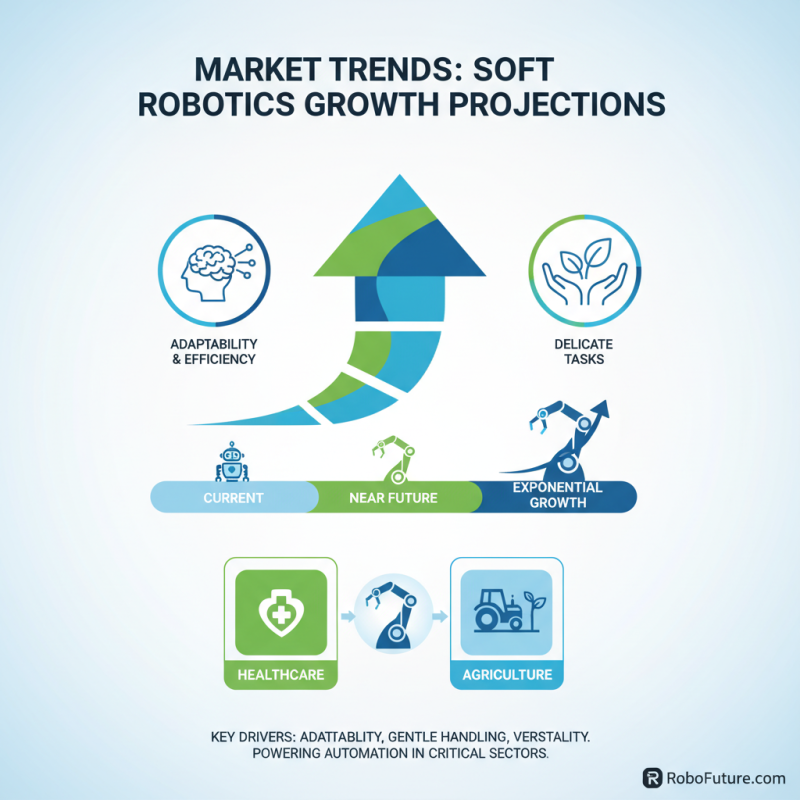
Soft robotics is gaining momentum in various sectors, driving significant changes in automation. Recent market research predicts that the soft robotics sector will grow exponentially in the coming years. This growth is attributed to its adaptability and efficiency in handling delicate tasks, which traditional robotics struggles with. Industries such as healthcare and agriculture are increasingly incorporating soft robotics for their versatility.
As more companies adopt soft robotics, it's crucial to stay informed about emerging trends. Consider attending industry conferences or webinars focused on these technologies. Engaging with thought leaders can expand your understanding of practical applications. Keeping an eye on innovations will give your business a competitive edge.
Moreover, embracing soft robotics can bring unique challenges. The integration process can be complex, and the technology is still evolving. Companies might face setbacks with system compatibility. It’s essential to maintain an adaptive mindset and learn from these hurdles. Approaching soft robotics with caution and curiosity can lead to fruitful outcomes in the long run.
Applications of Soft Robotics in Various Industries: Case Studies and Data
Soft robotics is gaining traction across various industries due to its unique applications. In agriculture, soft robots are being used for harvesting delicate fruits and vegetables. Traditional robotic systems often damage produce. In contrast, soft robots can pick without bruising. This not only improves yield but also reduces waste. A case study showed increased efficiency by 30% in farms employing soft robotic technologies.
In healthcare, soft robotics plays a crucial role in patient care. For instance, soft robotic exoskeletons assist individuals with mobility issues. These devices provide support while ensuring comfort and safety. Despite their advantages, challenges remain. Integration with existing medical equipment can be complex. Testing for reliability is essential to gain medical professionals' trust.
The food industry benefits from soft robotics in packaging. Soft robots gently handle food items, maintaining hygiene and quality. A recent survey indicated that 40% of food manufacturers are exploring this innovation. However, there is still skepticism regarding their long-term durability. Companies must address these concerns to fully embrace soft robotic solutions. Overall, while soft robotics showcases significant potential, continuous improvement and adaptation are needed for broader adoption across industries.
Challenges and Limitations in the Adoption of Soft Robotics Solutions
Soft robotics is gaining traction in various industries for its adaptability and versatility. However, several challenges hinder widespread adoption. One significant issue is the integration of soft robotic systems with existing technologies. Many facilities rely on traditional machinery, making it difficult to implement new solutions. Companies often face high costs associated with retrofitting or replacing old equipment.
Another limitation is the durability of soft materials. While they offer flexibility, they may not withstand harsh industrial conditions. For instance, soft robots may struggle in environments with extreme temperatures or abrasive materials. This raises concerns regarding maintenance and longevity.
Tip: Start small. Implementing soft robotics in specific tasks can help assess effectiveness without major investment.
Moreover, the workforce requires training to work alongside these innovative systems. Employees may need time to adapt to new processes. Resistance to change can also occur, hindering acceptance. Clear communication about the benefits of soft robotics is essential to overcoming this barrier.
Tip: Foster a culture of innovation. Encouraging employees to engage with new technology can ease transitions.
Addressing these challenges involves collaborative efforts between researchers, manufacturers, and industry players. Solutions must focus on improving material durability and interoperability. Investing in training programs can prepare workers for this evolving landscape, making it more inviting for soft robotics solutions.