How to Choose the Best Robot Palletizer for Your Needs?
Choosing the right robot palletizer is crucial for modern manufacturing and logistics. According to a report by Allied Market Research, the global palletizing market is projected to reach $7.73 billion by 2027, with robot palletizers increasingly leading this growth. The demand for automation is at an all-time high due to rising labor costs and the need for efficiency.
Navigating this landscape can be challenging. Many companies still use outdated methods, risking productivity and accuracy. Selecting the ideal robot palletizer involves understanding the specific needs of your operation. Detailed assessments of payload capacity, speed, and integration with existing systems are vital for making an informed choice.
It's essential to acknowledge that not all robot palletizers are created equal. Some models may seem cost-effective but lack the necessary features for certain applications. Thus, investing time in research and consultation is critical to avoid potential pitfalls. As the industry evolves, staying informed about new technologies and trends will further enhance decision-making.
Understanding the Basics of Robot Palletizers and Their Functionality
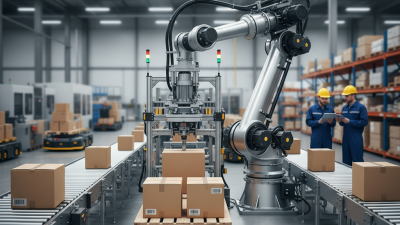
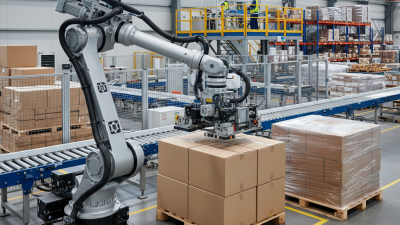
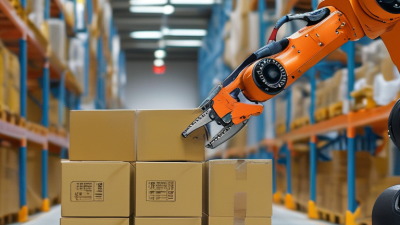
Robot palletizers have gained significant attention in various industries. Understanding their basic functionality is crucial for making an informed choice. These machines are designed to automate the process of stacking products onto pallets. They help increase efficiency and accuracy in operations, reducing the risk of human error.
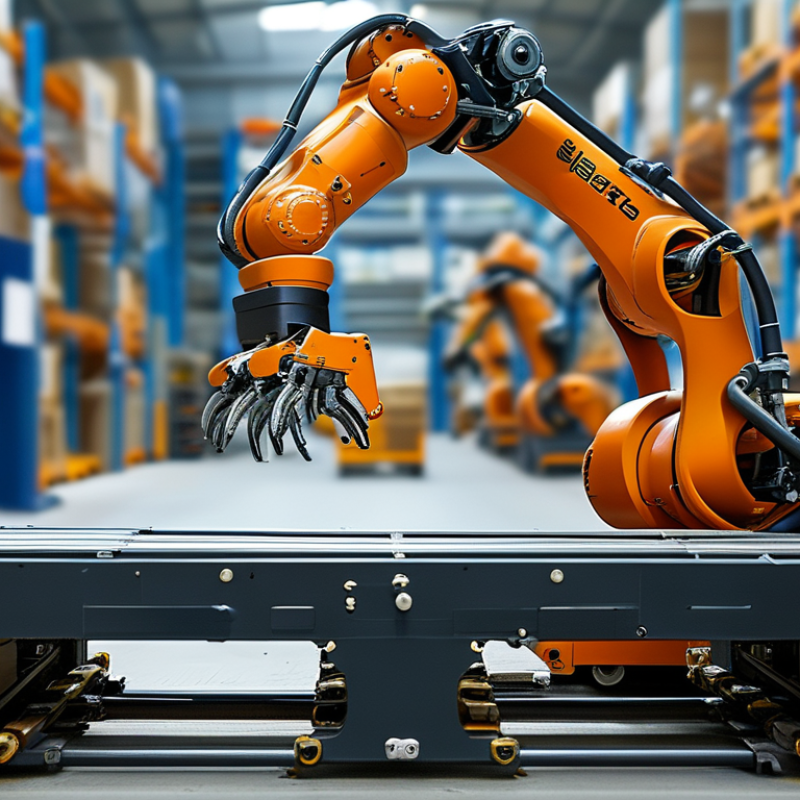
The basic components of a robot palletizer include the robotic arm, end-of-arm tooling, and vision systems. The robotic arm performs the movement and handling of products. End-of-arm tooling is essential for gripping and placing items securely. Vision systems enhance accuracy, ensuring that products are aligned correctly on the pallet. This technology can adapt to different product shapes and sizes, which is a considerable advantage.
Selecting the right robot palletizer is not without challenges. Factors like load capacity, speed, and integration with existing systems must be carefully evaluated. Many organizations underestimate the training needed for staff to operate these machines effectively. The true value lies not only in purchasing the equipment but also in ensuring successful implementation and operation. Keeping these considerations in mind leads to better decision-making and improved outcomes in your operations.
Identifying Your Specific Needs and Requirements for Automation
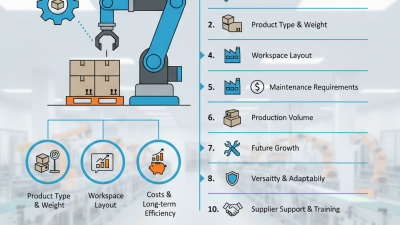
When selecting a robot palletizer, it is crucial to identify your specific needs first. This assessment involves examining your operational scale and the type of products you handle. Consider the size, weight, and shape of your loads. Different palletizers are designed for varying complexities. Knowing these details narrows down your choices effectively.
Additionally, think about the volume of your operations. High-speed environments require more advanced systems. However, they may also come with a steeper learning curve. Reflect on your team’s technical capabilities before making a decision. It's vital to ensure that your workforce can operate the chosen system efficiently. Each option comes with trade-offs. Assessing these can prevent future inefficiencies.
Lastly, budget constraints cannot be ignored. The initial investment may reflect only one aspect of the total cost. Maintenance, potential downtime, and training expenses must be considered. Balancing these factors with your automation goals shapes a sustainable choice. Seek advice from experts. Their experience often reveals nuances that are not immediately apparent.
Robot Palletizer Features Comparison
Evaluating Different Types of Robot Palletizers Available in the Market
When evaluating robot palletizers, consider the various types available. Different styles cater to unique operational needs. For instance, articulated arm robots excel in flexibility. They can manage complex packing patterns.
In contrast, delta robots offer high speed and precision. They are ideal for high-throughput environments.
Another factor is payload capacity. Assess the weight and dimensions of your items. Some palletizers can handle heavier loads, while others are designed for smaller packages. This choice can significantly impact efficiency. Additionally, think about the ease of integration. Your chosen system must work seamlessly with existing production lines. A complicated setup can offset the benefits of automation.
Don't overlook the importance of support and maintenance. Quality systems should provide reliable service options. Delays in downtime can lead to revenue loss. Sometimes, a cheaper option may lack this vital support.
Always weigh initial costs against long-term reliability. Reflect on these factors to ensure you select the right robot palletizer for your operations.
Comparing Key Features: Cost, Speed, and Handling Capacity
When selecting a robot palletizer, evaluating key features like cost, speed, and handling capacity is essential. The average cost for a mid-range robot palletizer ranges from $50,000 to $100,000, depending on specifications and capabilities. A detailed industry report reveals that businesses can save up to 30% in labor costs when integrating this technology. However, this initial investment can be daunting for smaller operations. It's vital to conduct a thorough cost-benefit analysis before making a final decision.
Speed is another critical factor in choosing a robot palletizer. Many modern models can handle up to 2,000 units per hour, significantly increasing productivity. Yet, it's important to assess your production line's specific needs. If the robot's speed exceeds your current output, it may lead to inefficiencies. Industry statistics show that improper alignment of speed and capacity accounts for 20% of operational delays in automated systems.
Handling capacity is equally significant. Robot palletizers should efficiently handle different payloads and packaging types. Not all robots excel at this, leading some companies to experience issues when scaling their operations. A study indicates that 45% of companies faced challenges in adapting their palletizers for diverse product lines. This highlights the importance of selecting a versatile robot that can adapt to changing demands without incurring excessive downtime or costs.
How to Choose the Best Robot Palletizer for Your Needs? - Comparing Key Features: Cost, Speed, and Handling Capacity
| Feature |
Option A |
Option B |
Option C |
| Cost |
$25,000 |
$35,000 |
$50,000 |
| Speed (Pallets per Hour) |
600 |
800 |
1000 |
| Handling Capacity (kg) |
1000 |
1500 |
2000 |
| Dimension Compatibility (mm) |
1200 x 1200 |
1200 x 1500 |
1500 x 1500 |
| Ease of Integration |
High |
Medium |
High |
Assessing Vendor Reputation and Support Services After Purchase
When selecting a robot palletizer, vendor reputation is crucial. Research potential suppliers carefully. Look for reviews from previous customers. A vendor with a solid history stands out. They are likely to offer better support after the sale. It's essential to know how they handle issues. A vendor known for quick responses can save time and money.
Support services are another key aspect. Ensure the vendor provides comprehensive training. Understanding the equipment fully can prevent issues down the line. Check if they offer ongoing maintenance and updates. A lack of support can lead to operational bottlenecks. It's worth asking other users their experiences with vendor communication.
Moreover, reflect on the importance of warranty terms. A robust warranty can indicate a vendor's confidence in their product. However, some may offer limited coverage to cut costs. Evaluating these aspects can mitigate future challenges. Choosing wisely means considering long-term support, not just immediate needs. Your decision could impact productivity significantly.