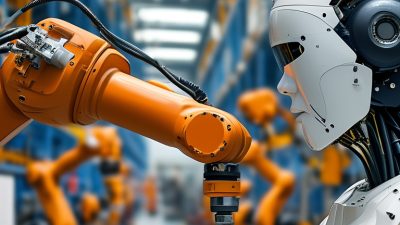
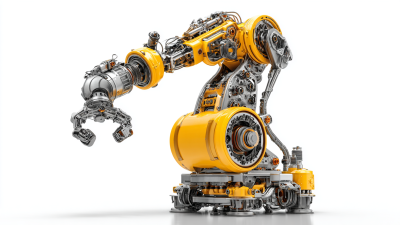
Top 10 Industrial Robot Integrators for Global Buyers?
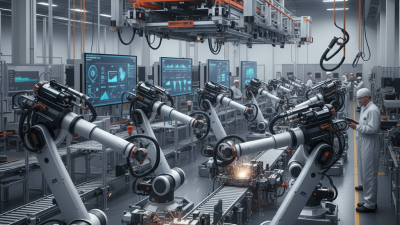
In today’s fast-paced manufacturing landscape, the role of the industrial robot integrator is more critical than ever. Companies seek partners who can streamline operations and increase productivity. The right integrator can transform a factory into a high-efficiency machine. However, not all integrators offer the same level of service or expertise. This makes choosing the right one essential.
Choosing a reliable industrial robot integrator involves assessing their experience and specialization. Factors include their understanding of specific industries and their track record with various robotic systems. Some integrators excel in automotive, while others shine in packaging or electronics. This diversity can be overwhelming for global buyers. Not all chosen partners deliver the promised results.
As automation continues to evolve, so does the landscape of industrial robotics. Integrators must adapt quickly to new technologies and methodologies. Reflecting on these challenges can lead to better decisions. Buyers should consider not just the technology, but the quality of partnership. Engaging the right industrial robot integrator is a journey that demands careful thought and ongoing evaluation.
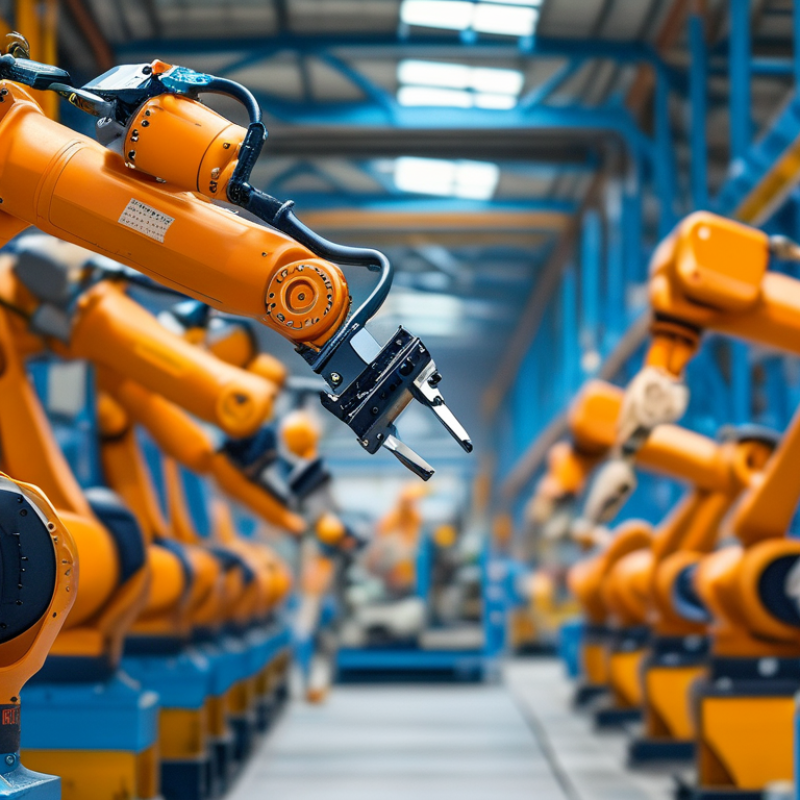
Top Industrial Robot Trends Shaping Growth in Global Markets
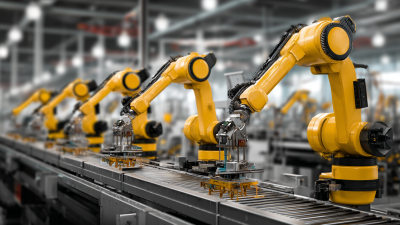
The industrial robotics sector is evolving rapidly. Key trends are shaping the growth of global markets. Automation is at the forefront of these trends. Manufacturers are increasingly reliant on robots to enhance efficiency. By automating tasks, production lines can reduce labor costs and errors. This shift is particularly evident in industries like automotive and electronics. Robots are now capable of performing complex assembly and precision tasks with great consistency.
Another significant trend is the integration of artificial intelligence in robotics. AI enhances robots' decision-making capabilities. It allows them to learn from their environment and improve over time. This adaptability is crucial for businesses aiming to stay competitive. Companies are realizing the benefits of investing in smarter robots. However, there are challenges associated with this trend. The need for skilled workers to manage these systems is growing. Not every organization can keep up with the pace of technology.
Sustainability is also becoming a focal point. Enterprises are looking for ways to minimize their carbon footprint. Innovative robots are being designed to consume less energy and utilize eco-friendly materials. While progress is being made, firms often struggle with balancing cost and sustainability goals. Industry leaders must reflect on how to innovate responsibly. Keeping an eye on these trends is essential for future success in the global marketplace.
Key Criteria for Selecting the Best Industrial Robot Integrators
When selecting the best industrial robot integrators, it’s vital to consider their experience in your specific industry. A seasoned integrator understands nuances that can impact efficiency. Look for case studies or testimonials that showcase successful implementations. Such evidence boosts credibility and provides insight into their operational strategies.
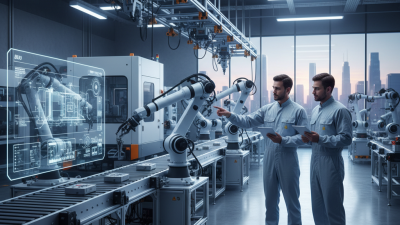
Technical expertise cannot be overlooked. The integrator's team should demonstrate proficiency in robotics, automation, and software integration. Seeking partners with a range of project scopes can reveal adaptability. Ensure they provide ongoing support and training post-installation. Frequently, integrators promise support but fall short after deployment. A strong commitment to long-term partnerships is essential.
Lastly, assess the company's approach to innovation. The robotic landscape evolves quickly, and integrators must stay ahead. Regularly scheduled webinars, workshops, or research outputs demonstrate a proactive attitude. However, less experienced companies may struggle here. They might not prioritize ongoing education or fail to adopt new technologies. This is a critical area for reflection when making your choice.
Analysis of Market Share Among Leading Industrial Robot Integrators
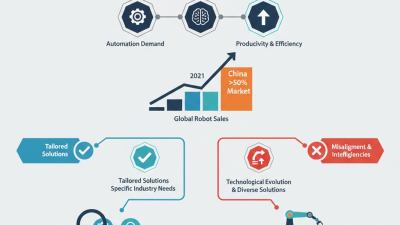
The industrial robot integration market is rapidly evolving. Leading integrators have significant market shares, reflecting their ability to innovate. According to recent industry reports, the top players now control over 60% of the global market. This dominance is due to their advanced automation solutions and strong technical expertise.
Data suggests that the demand for industrial robots will grow by 15% annually. Companies need to evaluate their needs carefully before selecting an integrator. Choosing the right partner can maximize efficiency. The right fit will ensure that the robots are properly tailored to operational requirements.
Maintaining flexibility in production processes is crucial. As the market shifts, some integrators struggle to adapt. Buyers should seek partners that not only demonstrate reliability but also show a commitment to ongoing support and development. A careful assessment of integrator capabilities can prevent costly errors in implementation.
Case Studies of Successful Industrial Robot Integration Projects
In the realm of industrial robotics, successful integration is essential for maximizing efficiency and productivity. A notable case involves a manufacturing facility that faced significant downtime due to manual assembly processes. By introducing a robotic arm system, they streamlined their assembly line. Initially, the integration faced challenges, such as programming complications and worker resistance. However, with targeted training and gradual implementation, the robots became pivotal in reducing assembly time by 30%.
Another example showcases a food processing plant that sought to enhance its packaging efficiency. The company employed a robotic palletizing solution after facing issues with inconsistent manual labor. During integration, the robots struggled with handling delicate items. The team conducted tests and adjusted the programming. Over time, the robots improved their performance, increasing packing speed and accuracy. This project highlighted the importance of adaptability and continuous improvement in robotic integration. Real-world challenges often require a critical approach to ensure that technology complements human labor effectively.
Future Projections for Industrial Robot Integration and Demand Trends
The integration of industrial robots has transformed numerous sectors worldwide. As manufacturers seek efficiency and precision, the demand for skilled integrators is reaching new heights. The future of industrial robot integration looks promising, but it is not without challenges. Buyers must remain vigilant about the skills and experiences of integrators. Many companies will find the right partners, but they need to analyze specific case studies to ensure compatibility.
Market analysis shows that sectors like automotive, electronics, and pharmaceuticals are increasing their robot adoption rate. The demand for industrial robots in these areas is expected to grow, driven by advancements in AI and machine learning. However, businesses may struggle with integration complexities. Integrator choices can make or break the success of automation strategies. Decision-makers should consider multiple bids and focus on references and past performance.
As industries embrace automation, sustainability and workforce impact become critical topics. Many organizations must confront the reality that job displacement could occur. The careful selection of integrators should encompass contributions to sustainable practices and employee training initiatives. This reflects a broader trend towards responsible automation, which prioritizes both technological advancement and societal well-being.
Top 10 Industrial Robot Integrators for Global Buyers
| Rank |
Integrator Type |
Geographical Reach |
Annual Revenue |
Projected Growth (2024) |
| 1 |
System Integrator |
North America |
$500M |
10% |
| 2 |
Solution Provider |
Europe |
$400M |
8% |
| 3 |
Automation Partner |
Asia-Pacific |
$600M |
12% |
| 4 |
Engineering Firm |
Global |
$800M |
15% |
| 5 |
Manufacturing Specialist |
North America |
$750M |
9% |
| 6 |
Technical Consultant |
Europe |
$300M |
6% |
| 7 |
Robotics Developer |
Asia-Pacific |
$950M |
20% |
| 8 |
System Integrator |
Global |
$1B |
14% |
| 9 |
Integration Specialist |
North America |
$400M |
7% |
| 10 |
Robotics System Engineer |
Europe |
$650M |
11% |